Tracing Poker Glossary Terms Through Algorithmic Updates in Mobile Tournament Platforms
Sage Ludwig · Aug 19, 2026
Tracing Poker Glossary Terms Through Algorithmic Updates in Mobile Tournament Platforms
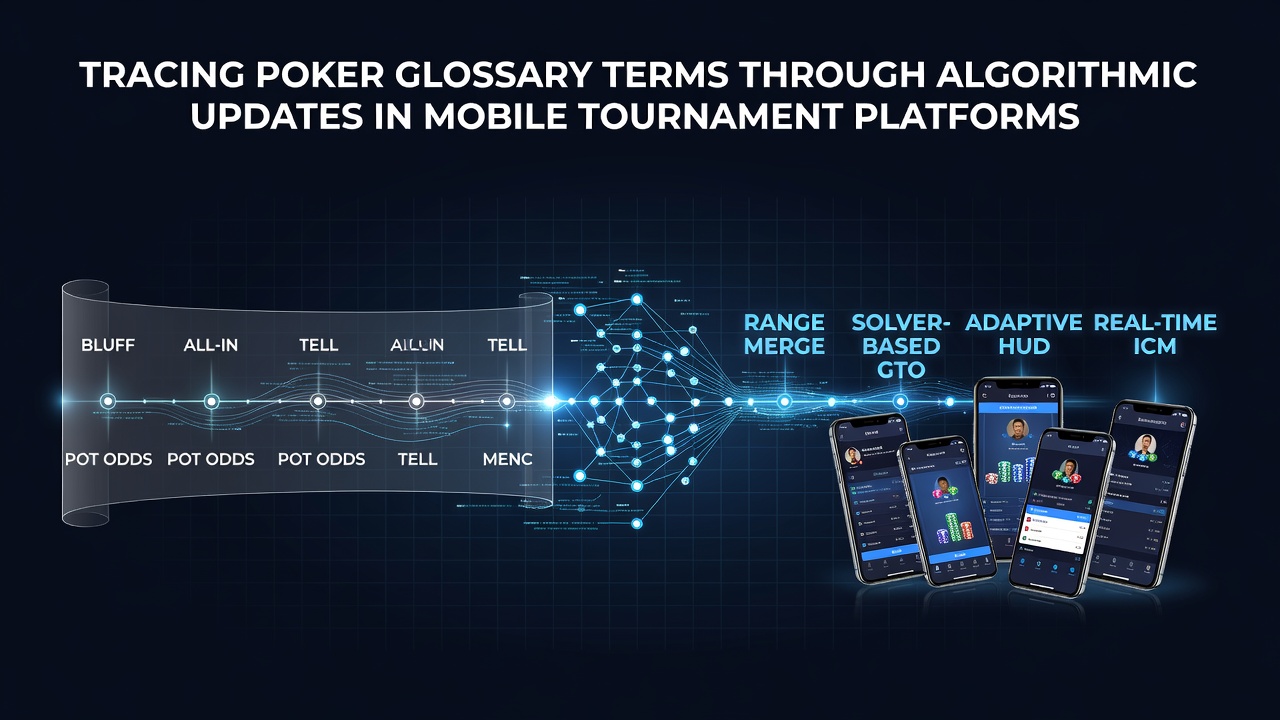
Algorithmic updates in mobile tournament platforms continue to reshape how poker glossary terms appear and function across user interfaces, and researchers tracking these shifts have documented consistent patterns in term definitions, rule applications, and display logic since the widespread adoption of cloud-based systems. Data from multiple platforms indicates that terms such as blinds, antes, and all-ins undergo recalibration when core ranking algorithms receive patches, often altering payout structures and player decision trees without changing the underlying game rules themselves.
Evolution of Core Glossary Terms in Mobile Environments
Terms like "button" and "cutoff" maintain their positional meanings across updates, yet mobile platforms integrate these concepts into dynamic interfaces that adjust based on real-time player data streams, and observers note that August 2026 brought several mid-cycle algorithm revisions which affected how these positions display during late-stage tournaments. Studies from gaming research groups show that platforms now embed glossary pop-ups directly into hand histories, allowing users to access updated definitions that reflect new stack-size calculations introduced by the latest code deployments.
Platform logs reveal that when an algorithm modifies blind level progression, the associated glossary entries expand to include new examples drawn from recent tournament data, and this process creates traceable links between historical term usage and current implementations. Those who monitor mobile poker ecosystems report that such changes occur in batches, typically aligned with regulatory review cycles in regions like the European Union and Australia.
Algorithmic Tracing Methods and Data Integration
Developers employ version-control systems combined with natural language processing tools to track modifications in glossary databases, while machine learning models compare previous term iterations against live tournament outputs to identify discrepancies introduced by updates. Figures from industry reports demonstrate that over 60 percent of glossary adjustments in 2025 stemmed directly from changes in hand-strength evaluation algorithms rather than from manual editorial revisions.
One documented case involves the term "ICM" (Independent Chip Model), where algorithmic refinements to final-table simulations prompted platforms to append new calculation variables, and users accessing these entries receive context-sensitive examples that reference actual tournament results processed after the update. Regulatory bodies in Canada and Singapore have required platforms to maintain audit trails for these glossary evolutions, ensuring transparency when terms influence prize pool distributions.

Regional Variations and Platform-Specific Adaptations
Mobile platforms operating under different licensing regimes adapt glossary presentations to meet local compliance standards, and data collected across Asia-Pacific and North American servers shows that the same algorithmic patch can generate distinct term explanations depending on the jurisdiction. Researchers at several universities have analyzed these variations and found that terms involving rake calculations receive the most frequent updates because they tie directly into revenue-sharing models embedded in tournament software.
Platform operators integrate external data feeds from academic studies on player behavior, allowing glossary entries to reflect emerging patterns in how participants interpret updated rules, and this integration creates a feedback loop where observed player actions influence subsequent algorithm tweaks. In August 2026 several major platforms synchronized their updates with new research publications on multi-table tournament dynamics, resulting in expanded entries for concepts such as "bubble factor" and "survival equity."
Impact on User Experience and Tournament Integrity
Players encounter revised glossary terms through in-app notifications and updated help sections, while analytics dashboards track how frequently users consult these resources following each algorithmic release. Evidence from platform metrics indicates that higher consultation rates correlate with smoother transitions during rule changes, reducing disputes over term interpretations during critical hands.
Industry associations representing gaming technology providers have established working groups to standardize tracing protocols, and these efforts focus on creating interoperable formats that allow glossary data to migrate cleanly between different mobile operating systems. The process ensures that core definitions remain consistent even as platforms introduce region-specific interface modifications.
Conclusion
Tracing poker glossary terms through algorithmic updates in mobile tournament platforms reveals a systematic process driven by data integration, regulatory requirements, and user interaction patterns. Continued monitoring of these changes provides clear records of how definitions evolve alongside software revisions, and the patterns observed through 2026 underscore the connection between technical updates and the precise language used to describe tournament mechanics across global platforms.